This episode of Late Night Health explores two very different paths to healthier living—helping beloved pets stay strong and mobile, and reconsidering the role light may play in human well-being. Host Mark Alyn first welcomes Dr. Kelly Fishman, a veterinary sports medicine and rehabilitation specialist and founder of Strutt Animal Mobility Specialists in Pennsylvania. Fishman explains that a walk around the block may not provide enough activity for many dogs, particularly working breeds such as Labrador Retrievers, Border Collies, and Australian Shepherds. Strength and cardiovascular exercises—including canine squats, planks and jumps—can help build muscle, support joints, manage weight and reduce behavior problems caused by excess energy. Fishman also shares practical advice for senior pets and owners with limited mobility. Dog treadmills, elevated exercise surfaces and carefully selected nutritional support can offer useful alternatives. For cats, whose arthritis often goes unnoticed, she emphasizes weight management, muscle support and attentive care. Her warm-weather tips include adding water to canned food and offering frozen blueberries or cucumber for extra hydration. Beyond physical health, Fishman discusses the emotional benefits pets provide, especially for older adults and people living alone.
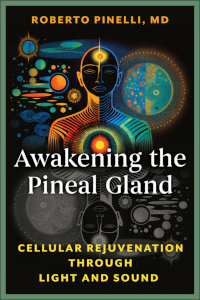
In the second half, Italian physician, ophthalmologist, musician, and author Dr. Roberto Pinelli joins the program from Switzerland. His book, Awakening the Pineal Gland, examines the small gland located deep within the brain and its connections to light, melatonin, sleep, and circadian rhythms. Blending neuroscience, ancient symbolism, and personal intuition, Pinelli describes his research into carefully modulated light and sound. He argues that light should be viewed not simply as a danger, but as a form of biological nourishment when experienced responsibly—particularly during gentler morning and late-afternoon hours. While several of his broader therapeutic ideas remain unconventional, the conversation offers a fascinating look at his effort to connect ophthalmology, nature, consciousness, and spirituality.